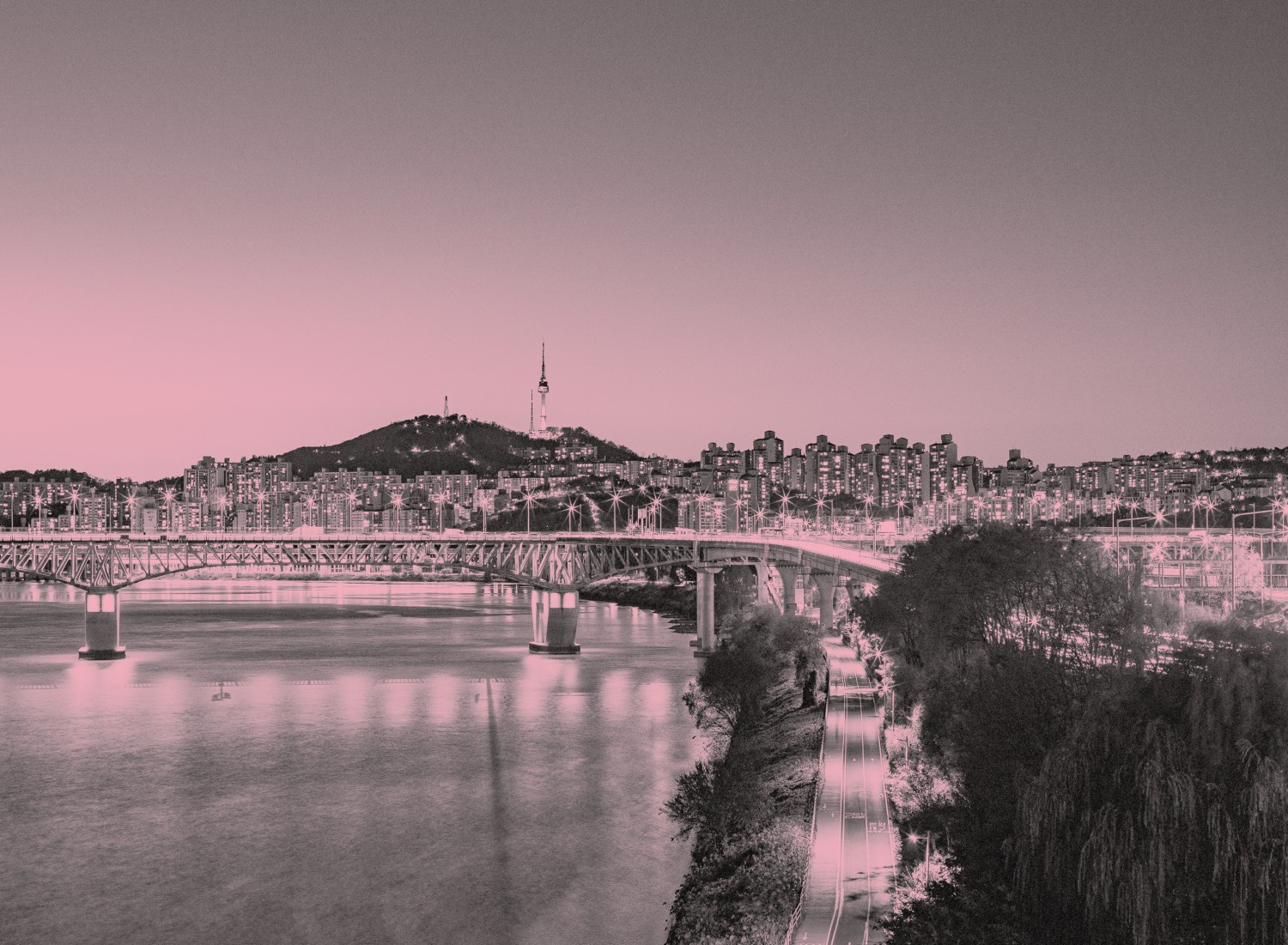
Seoul is a city where centuries of history meet one of the world’s most dynamic contemporary cultures. SEOUL: A Cultural Travel Guide offers a different way to explore it—not through a checklist of landmarks, but through the people who shape its cultural landscape.
Featuring 18 leading figures from Korea’s cultural scene—including architect Choi Wook, fashion designer Woo Youngmi, musician Jang Younggyu, photographer Koo Bohnchang, graphic designer Ahn Sangsoo, and chef Yim Jungsik—the guide introduces Seoul through the perspectives of those who live, create, and define the city. Their recommendations lead readers to cultural institutions, neighborhood restaurants, independent shops, natural retreats, and other places that reveal Seoul’s everyday rhythms and creative spirit.
Alongside practical information on climate, transportation, language, and Korean history, the book also includes introductions to Korean cuisine and useful Korean expressions, making it both an inspiring cultural companion and a practical travel guide.
More than a guidebook, SEOUL: A Cultural Travel Guide invites readers to experience Seoul not simply as a tourist destination, but as a living cultural landscape shaped by the people who create, inhabit, and continually redefine it.
SEOUL: A Cultural Travel Guide
편집자의 글
Seeing Seoul Through Culture
The City Through the Eyes of Its Creators
SEOUL: A Cultural Travel Guide explores Seoul through the lens of arts and culture. Moving beyond conventional travel guides built around tourist attractions, it reveals the city through the perspectives of 18 leading figures from Korea’s cultural scene, spanning architecture, design, fashion, music, photography, and food. Here, traveling through Seoul becomes a journey of reading the city through culture and understanding its places through the stories of the people who shape them.
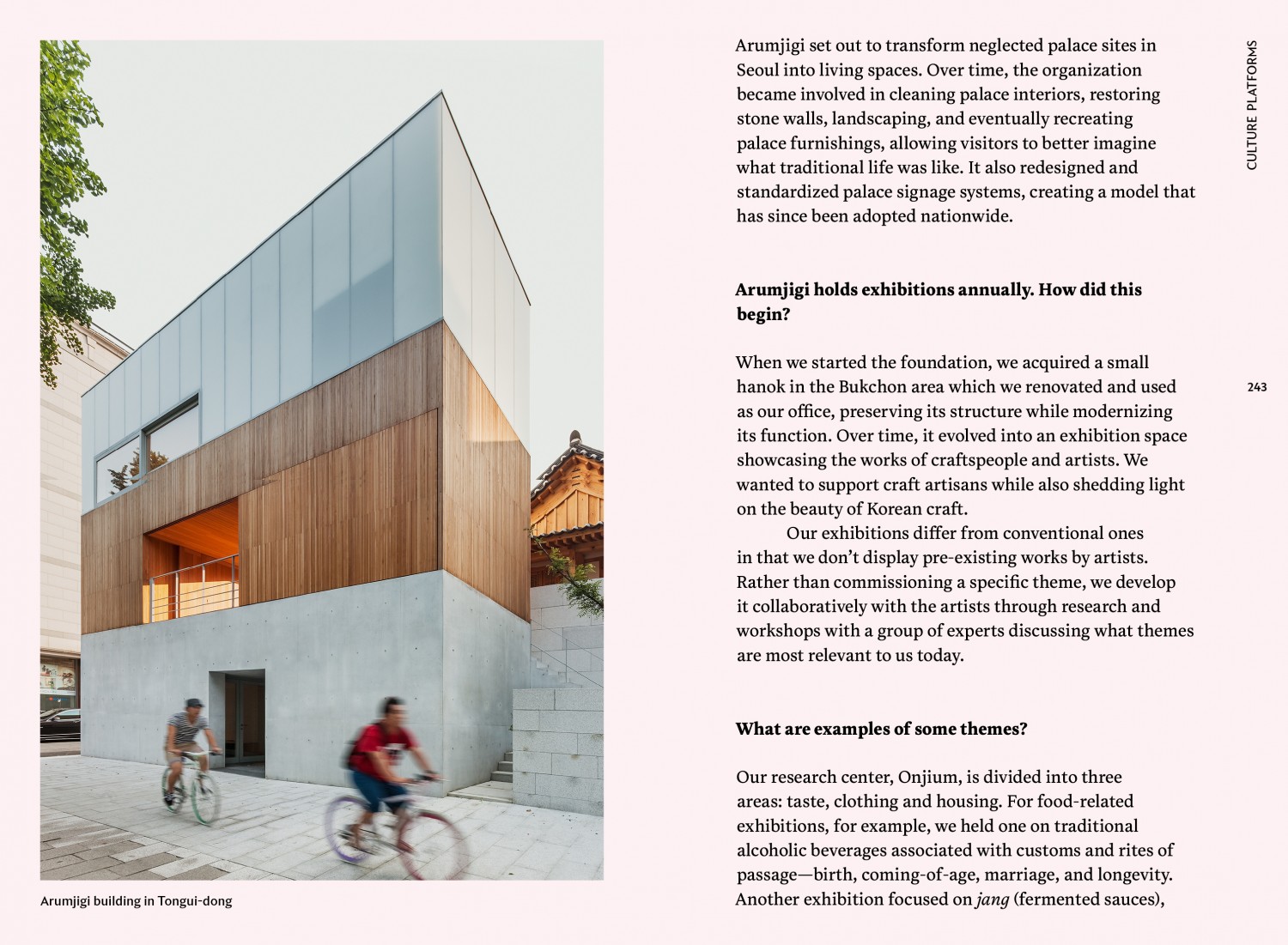
Seoul is a city where rapid urban transformation exists alongside centuries of history and everyday traditions. Historic alleyways meet contemporary architecture, traditional markets stand alongside independent bookstores, and royal palaces coexist with museums of contemporary art. Through the experiences and perspectives of its featured creators, the book reveals the many layers of Seoul’s cultural identity.
Drawing on years of reporting on culture and travel, author Yun Suhyoung spent six months interviewing artists, designers, architects, chefs, and other creative practitioners in their studios, workshops, and workplaces across the city. The book features 18 influential figures—including architect Choi Wook, fashion designer Woo Youngmi, musician Jang Younggyu, furniture designer Choi Byunghoon, graphic designer Ahn Sangsoo, photographer Koo Bohnchang, and chef Yim Jungsik—whose work has helped shape Korea’s contemporary cultural landscape.
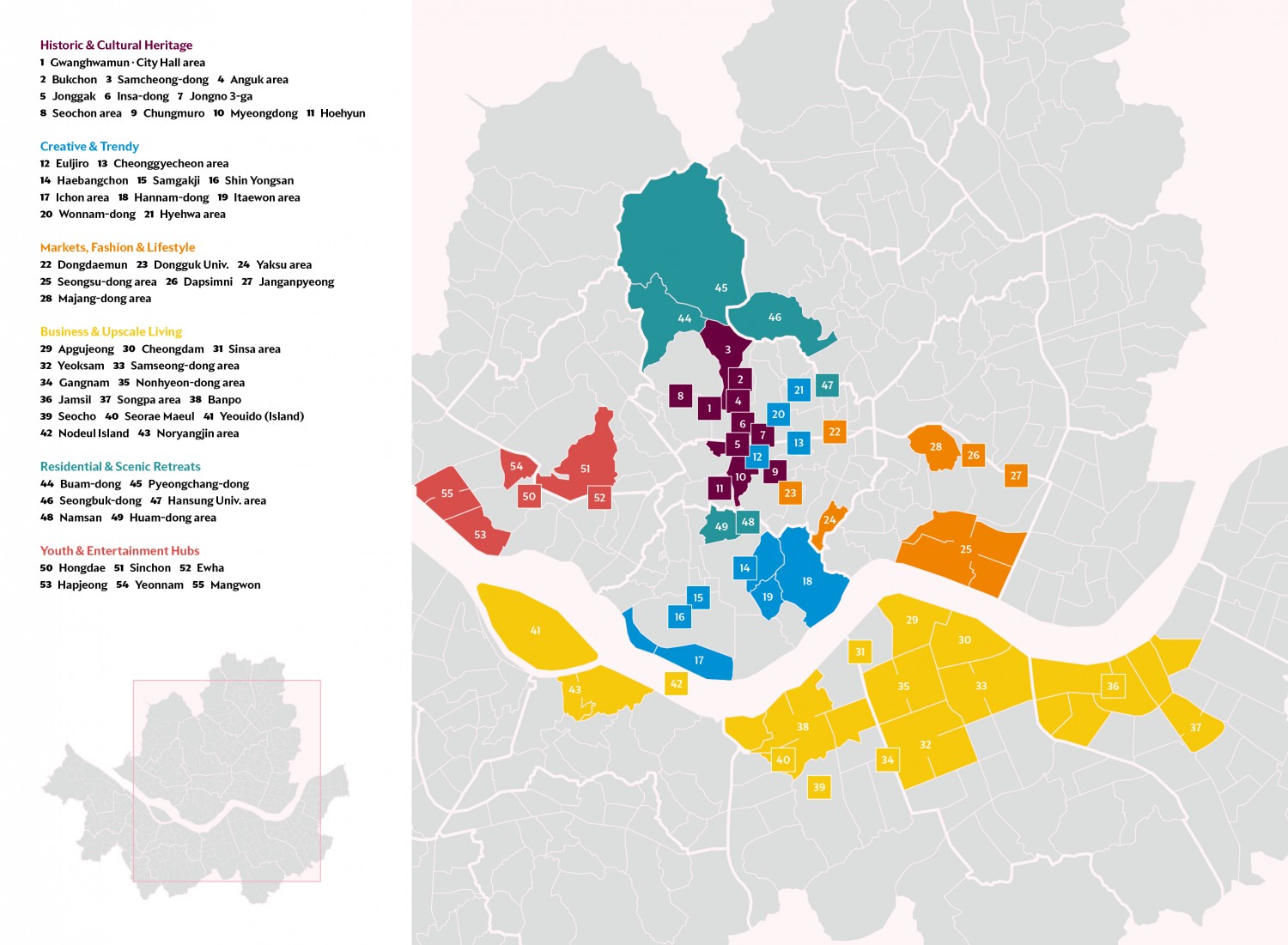
The interviewees reflect not only on their work and creative philosophies, but also on Seoul as the city that sustains their practice. Their neighborhoods, favorite restaurants, museums, and walking routes are more than recommendations; they are places where everyday life, memory, and creativity intersect. Across 55 neighborhoods, the guide brings together destinations selected through the interviewees’ personal insights, recommendations from specialists in each field, and the author’s own reporting and research.
From major museums and art spaces to long-established restaurants, independent bookstores, cinemas, galleries, parks, and historic sites, the book combines celebrated landmarks with places that remain deeply rooted in local life. Practical information on Seoul’s climate, transportation, language, and history, together with introductions to Korean cuisine and useful Korean expressions, makes it an insightful companion for exploring the city.
Rather than encouraging readers to simply check off famous attractions, SEOUL: A Cultural Travel Guide invites them to experience Seoul as a living cultural landscape shaped by the people who create, inhabit, and continually redefine it.
추천사
Seoul unpacked by its local creators. The much-needed cultural guide to South Korea‘s pulsating metropolis. A proud and loving ode to the city.
This book may wear the clothes of a travel guide, but at heart it is a love letter to Seoul—not the breathless kind that seeks to sell the city on the back of Korean cultural fever, but something more measured, honest, and enduring. Suhyoung Yun tells the story of her city with quiet confi dence
and distinctive grace.
Both insider and outsider, Yun portrays Seoul with unusual clarity, acknowledging that the city is not instantly seductive while suggesting that visitors who give it time will fi nd themselves drawn into an
ever-deepening aff ection for it. The book brings together 18 pioneering cultural fi gures who off er a richly layered portrait of Seoul.
The result is a guide unlike any other—at once a cultural excavation and an immersive journey through one of the world’s most dynamic cities.
Following the success of Switzerland: A Cultural Travel Guide, this personal and thoughtfully curated book goes beyond the typical travel guide to reveal Seoul through the eyes of the creatives who know and love it best. Insightful and deeply immersive, it captures the subtle spirit and magnetic energy that make Seoul one of the world’s most compelling cities.
Yun Suhyoung deftly pulls back the curtain on creative practices that have paved the way for younger generations of Koreans to make a global impact. Insightful interviews shed light on shifting
perspectives toward Korean cultural identity and its contemporary interpretations, while the book’s travel guide format offers useful recommendations for alternative tourist itineraries in Seoul that include off-the-beaten-path picks by some of the city’s most influential cultural producers.
Yun Suhyoung has an extraordinary gift for revealing the deeper layers of a place—its rhythm, its spirit, and the quiet forces that shape its identity. For years, she has crafted transformative design experiences for executive groups in Parsons School of Design’s Global Executive program, intuitively understanding the sparks of innovation that emerge when people encounter Seoul with curiosity and openness. Her ability to bring together visionary creators, meaningful places, and thoughtfully curated encounters has helped countless leaders return to their organizations with renewed insight and imagination. This book is a natural extension of her brilliance: a beautifully woven portrait of Seoul told through the voices of its cultural pioneers. By illuminating the people and places that define the city beyond its surface, she offers readers not only inspiration but a profound understanding of what makes Seoul truly Seoul.
Seoul is a city that must be uncovered; its sparkling stories and secrets hide beneath an otherwise unvarnished surface. Having reported on Seoul’s cultural, gastronomic, and artistic rise for over a decade, Yun Suhyoung is the perfect guide to discovering this extraordinary place. Yun has intertwined colorful exposés of Seoul’s most fascinating neighborhoods with enlightening interviews
with those who have shaped the city into a must-visit Asian destination. This guide introduces Seoul as a lively and quirky character that balances a love for boundary-shifting innovation with a reverence for history and rituals. Whether you know this city or not, SEOUL: A Cultural Travel Guide will change how you engage with this urban gem.
책 속에서
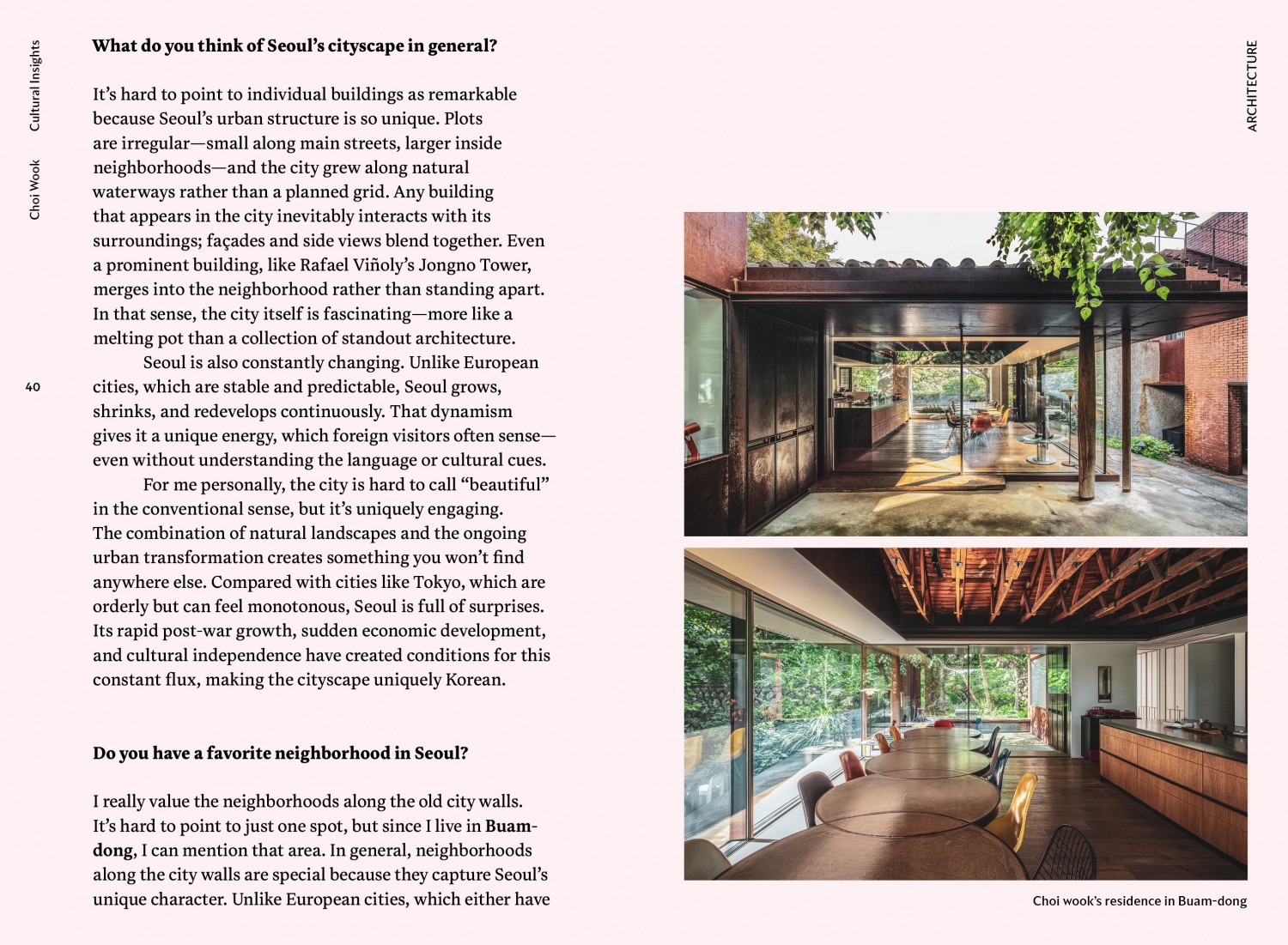
Socially and culturally, Seoul is safe and vibrant—its “software” is excellent. But the “hardware,” meaning the built environment, is where we architects share responsibility for its shortcomings.
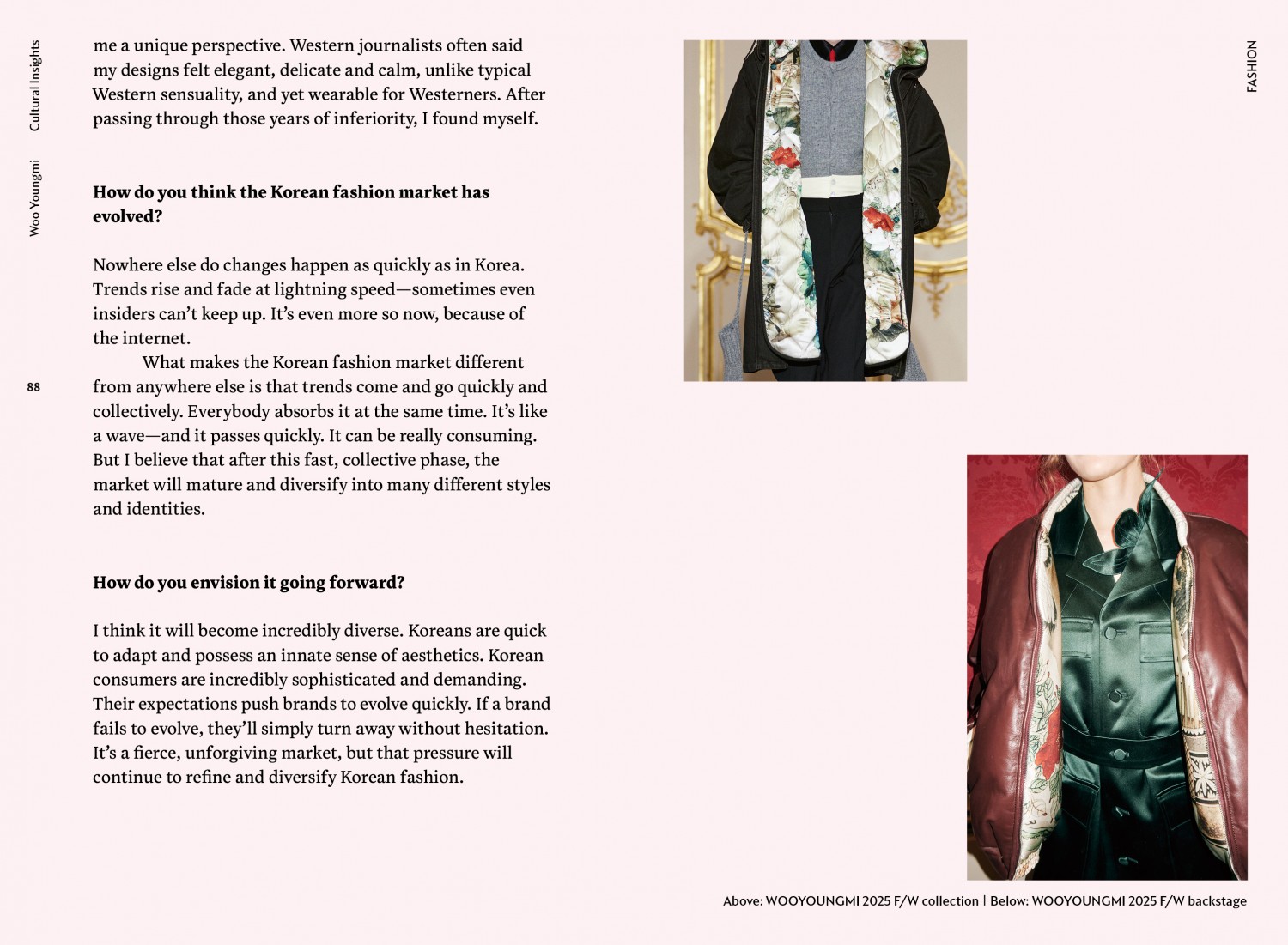
In Korea, the movement began more from K-pop idol culture than from designers. K-fashion is seen as young and trendy. For K-fashion to mature, we need more strong Korean designers. Even if everyone has a different color and style, I want our time to be remembered as the era
when Korean fashion took the world by storm. That kind of power is what we need. That’s how fashion can grow as both culture and industry.
I first approached it as music, but the more I studied it, the more I realized it’s closer to literature. Originally, it was a way to tell long, novel-like stories to audiences. To keep listeners engaged for three to eight hours, performers varied speed, pitch, and volume—shouting, whispering, shifting rhythms—to bring the narrative to life.
My works reflect the Korean sensibility: the beauty of restraint, calmness found in meditation, and the fusion of primal and modern elements to create something new. I am also deeply interested in balance—both literally, as in the chairs and scales I study, and philosophically.
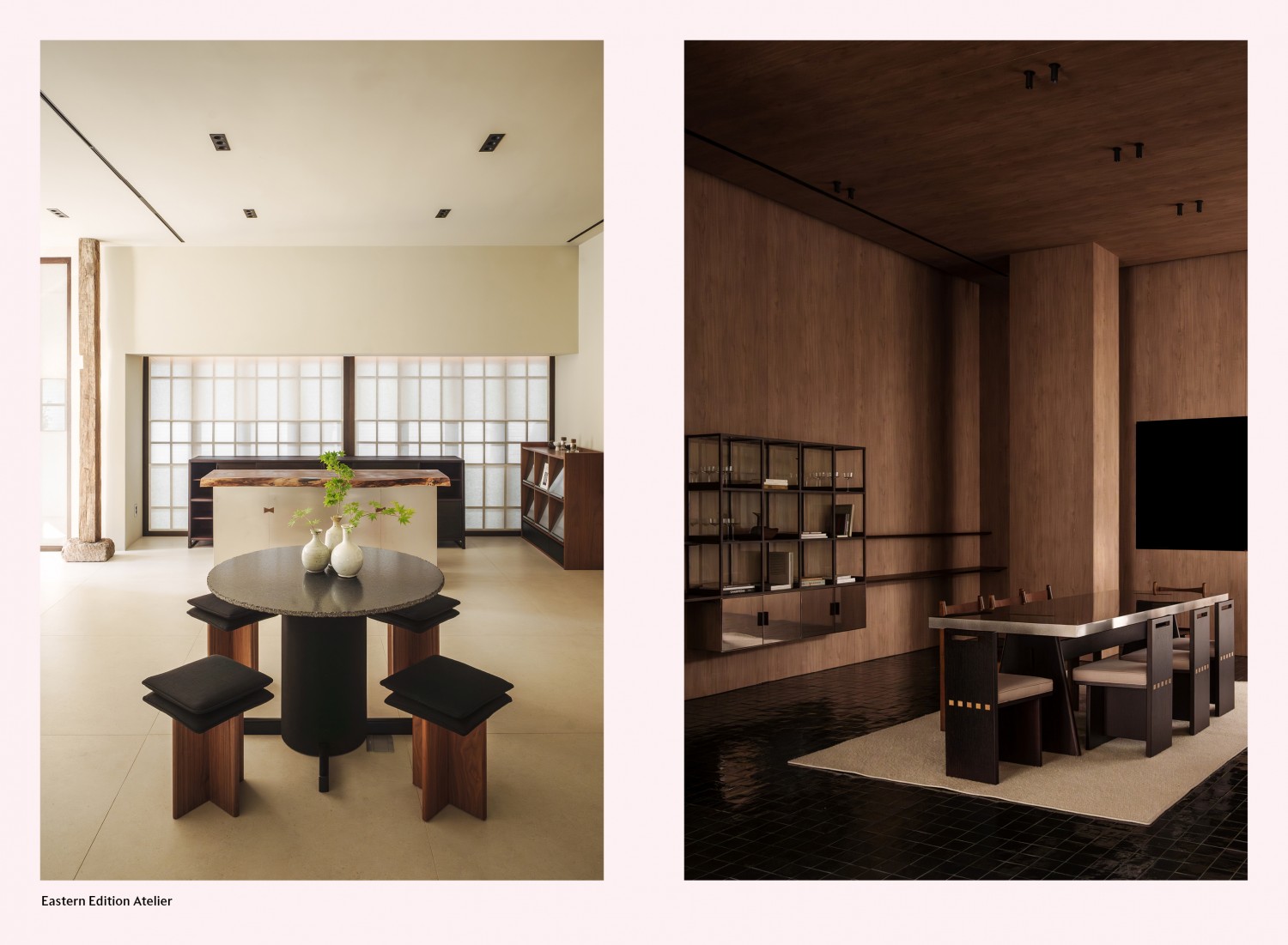
If I had to choose one keyword for Korean design characteristics, it would be “contrast.” Soft yet strong, delicate yet rough, straight yet curved—a dynamic contrast that reflects Korea’s energy.
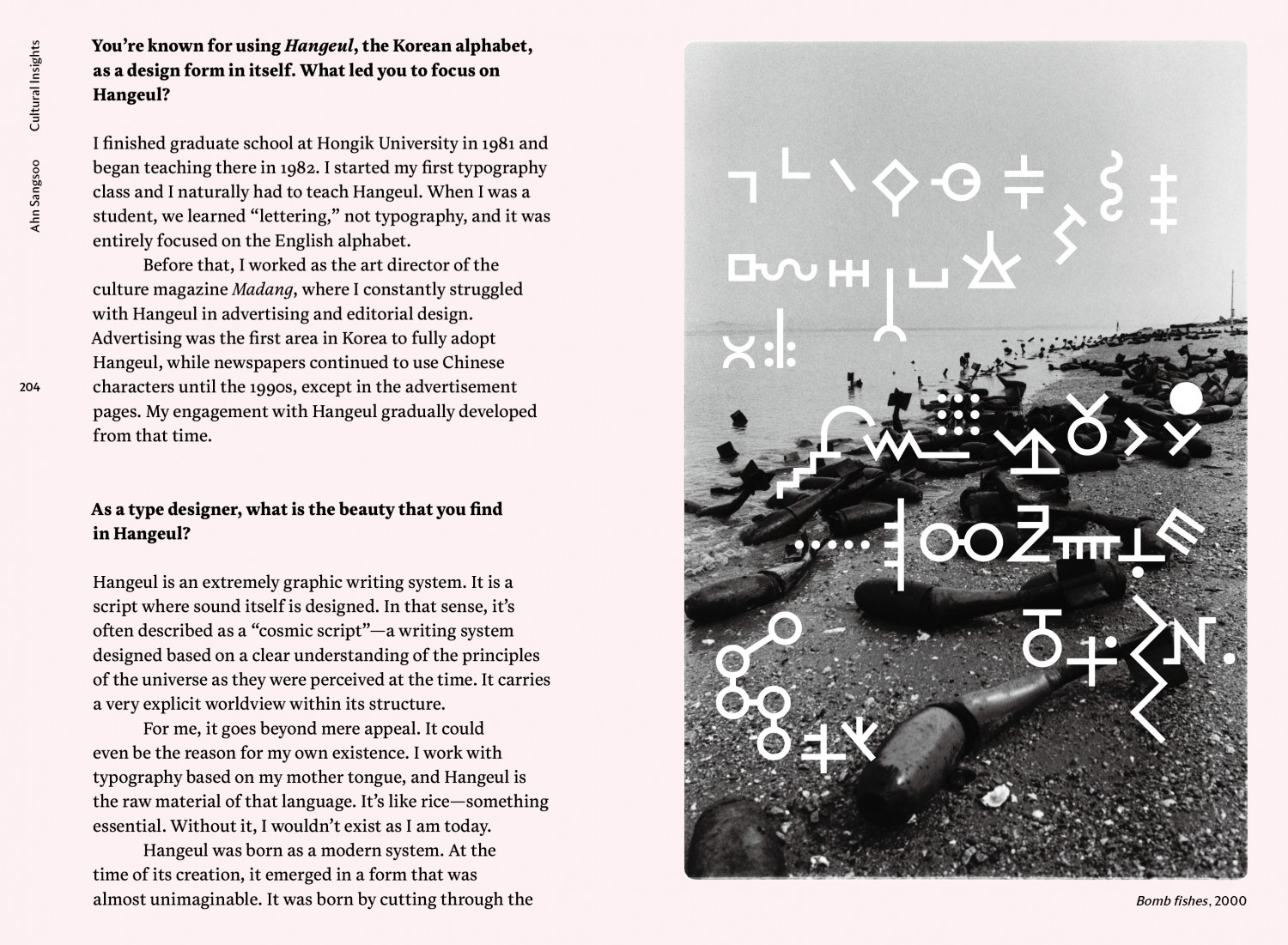
Hangeul is an extremely graphic writing system. It is a script where sound itself is designed. In that sense, it’s often described as a “cosmic script”—a writing system designed based on a clear understanding of the principles of the universe as they were perceived at the time. It carries a very explicit worldview within its structure.
If I look at ink drawings from Japan, China, and Korea, I can immediately tell the difference. Similarly, a distinctly Korean quality emerges in design. If you look at cosmetic packaging, it’s really impressive. It’s different from expensive European brands—there’s a unique taste and sensibility that’s distinctly Korean.
I feel that the audience is becoming more sophisticated. In the past, few foreigners intentionally visited Korea, but now, with K-culture gaining global popularity, many come with a genuine interest in learning more about the country. These visitors often understand Korean culture deeply—sometimes even more so than Koreans themselves—and they encourage and appreciate our work.
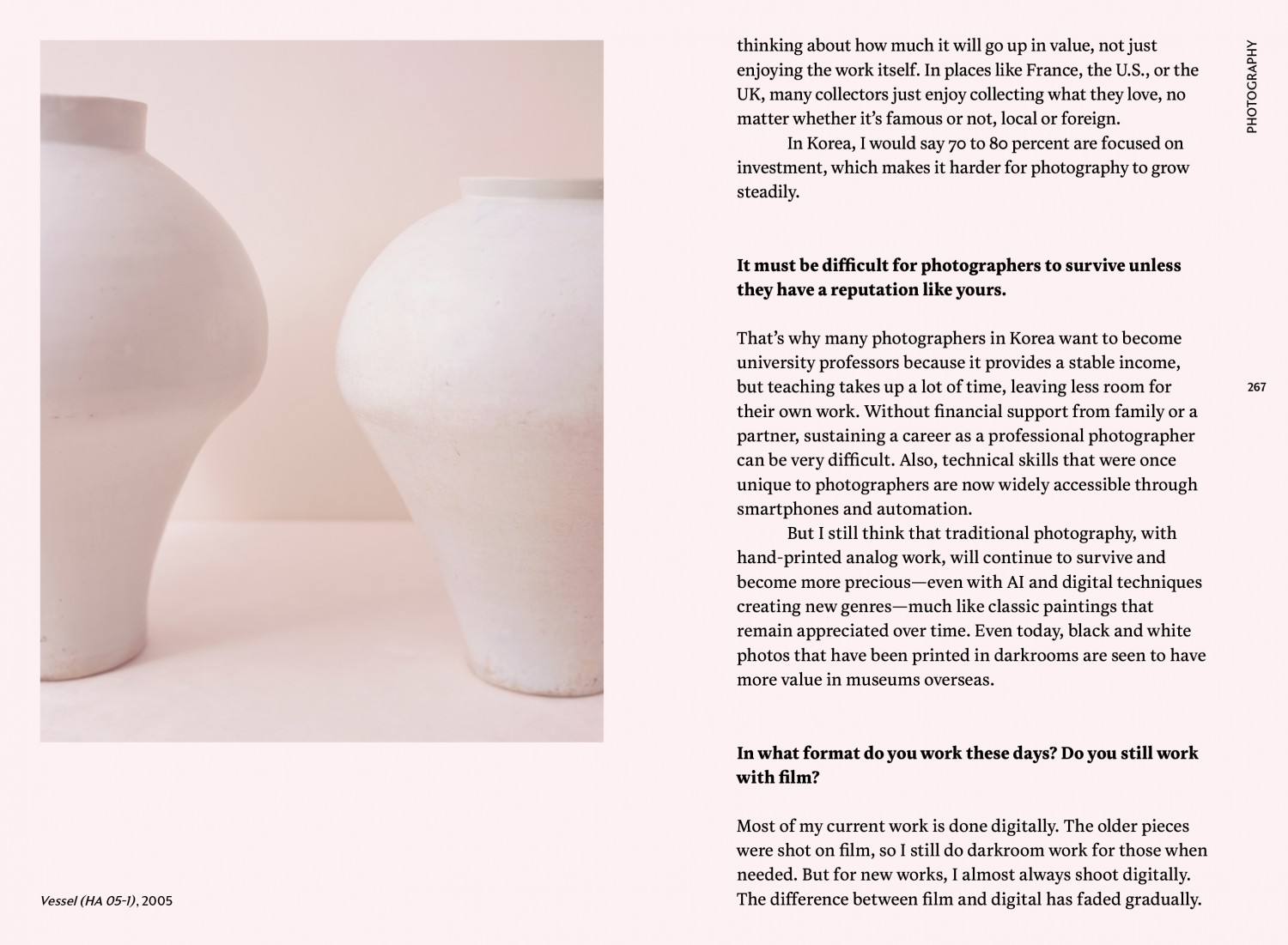
Influenced by Confucianism during the Joseon period, which emphasized simplicity and restraint, white porcelains are left plain and untouched—contrary to the previous Goryeo-era celadons which have patterns and beautiful lines that immediately attract attention. That makes me want to highlight their beauty more. It gives me creative space and I can bring out their character with lighting, background, and composition.
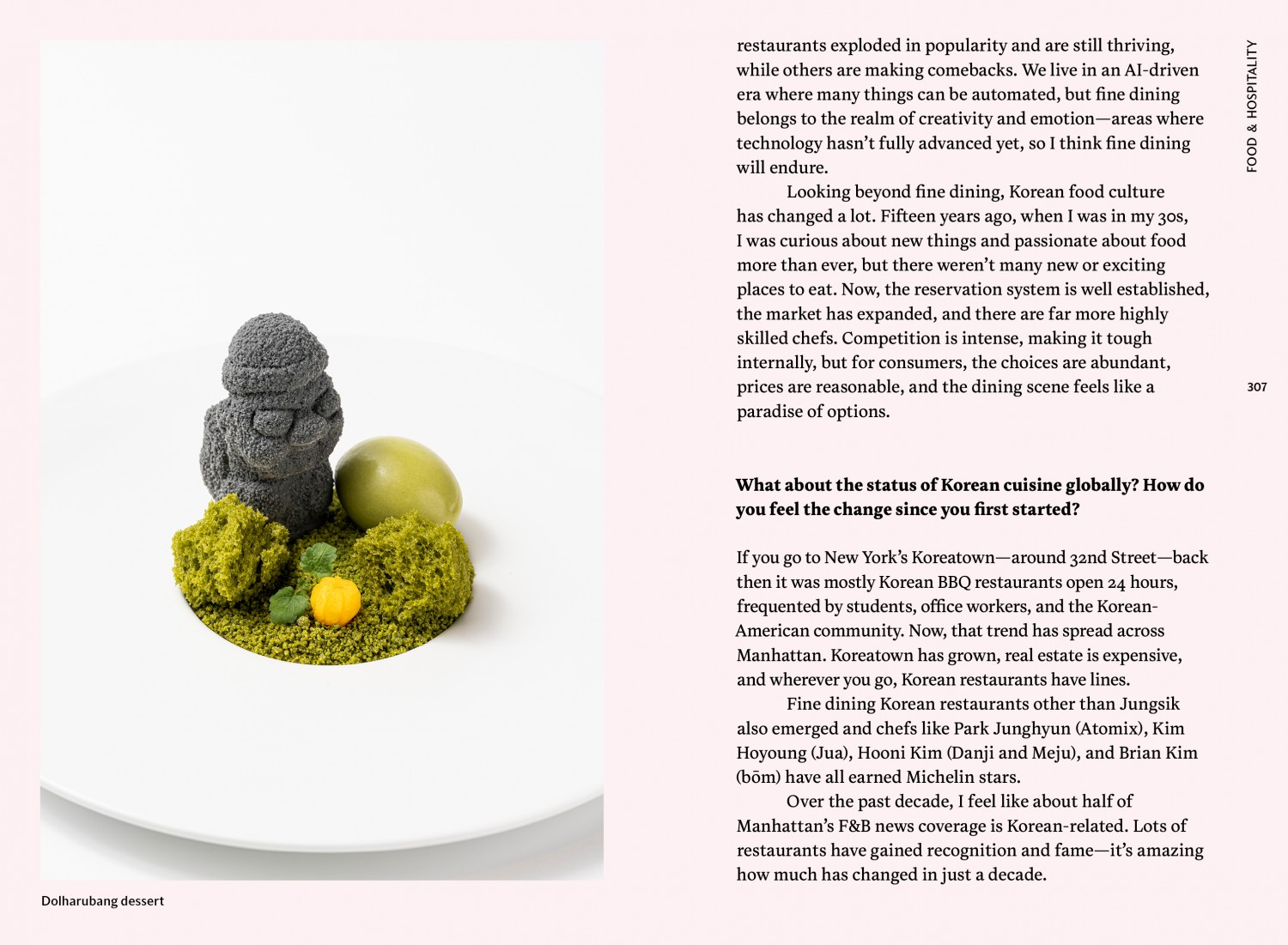
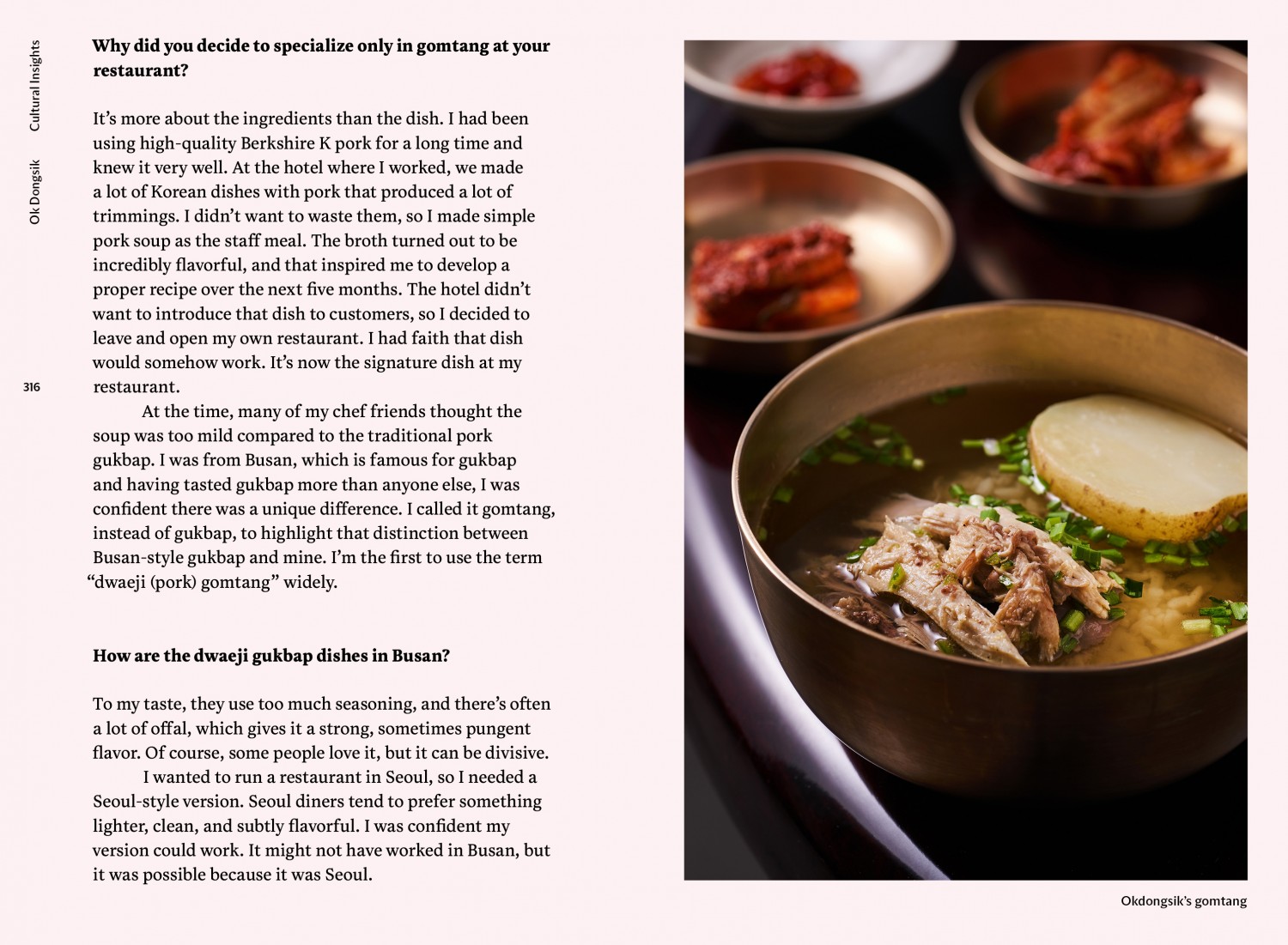
It has some of the most diverse flavors in the world. At its core, it’s about fermentation—the transformed flavors of proteins to create a savory taste. There is also regional influences shaped by ingredients sourced across Korea’s eight provinces. Seafood from the West Sea tastes different from that of the East Sea, because our country is surrounded by three seas, each with its own characteristics.
차례
Praise for SEOUL: A Cultural Travel Guide
Foreword
Introduction
Cultural Insights
ARCHITECTURE
Choi Wook 최욱
Cho Minsuk 조민석
Cho Byoungsoo 조병수
FASHION
Woo Youngmi 우영미
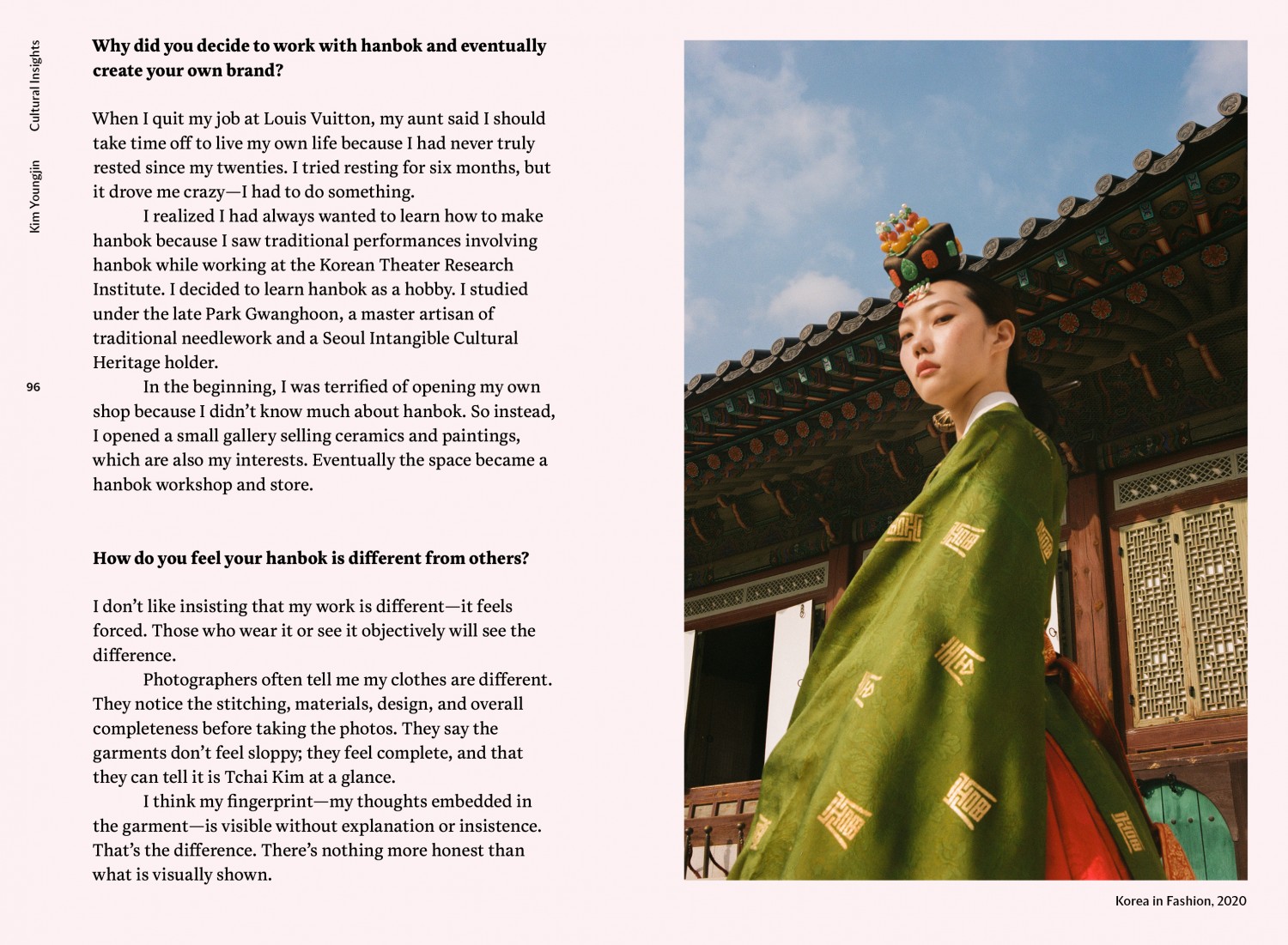
Kim Youngjin 김영진
MUSIC & ART
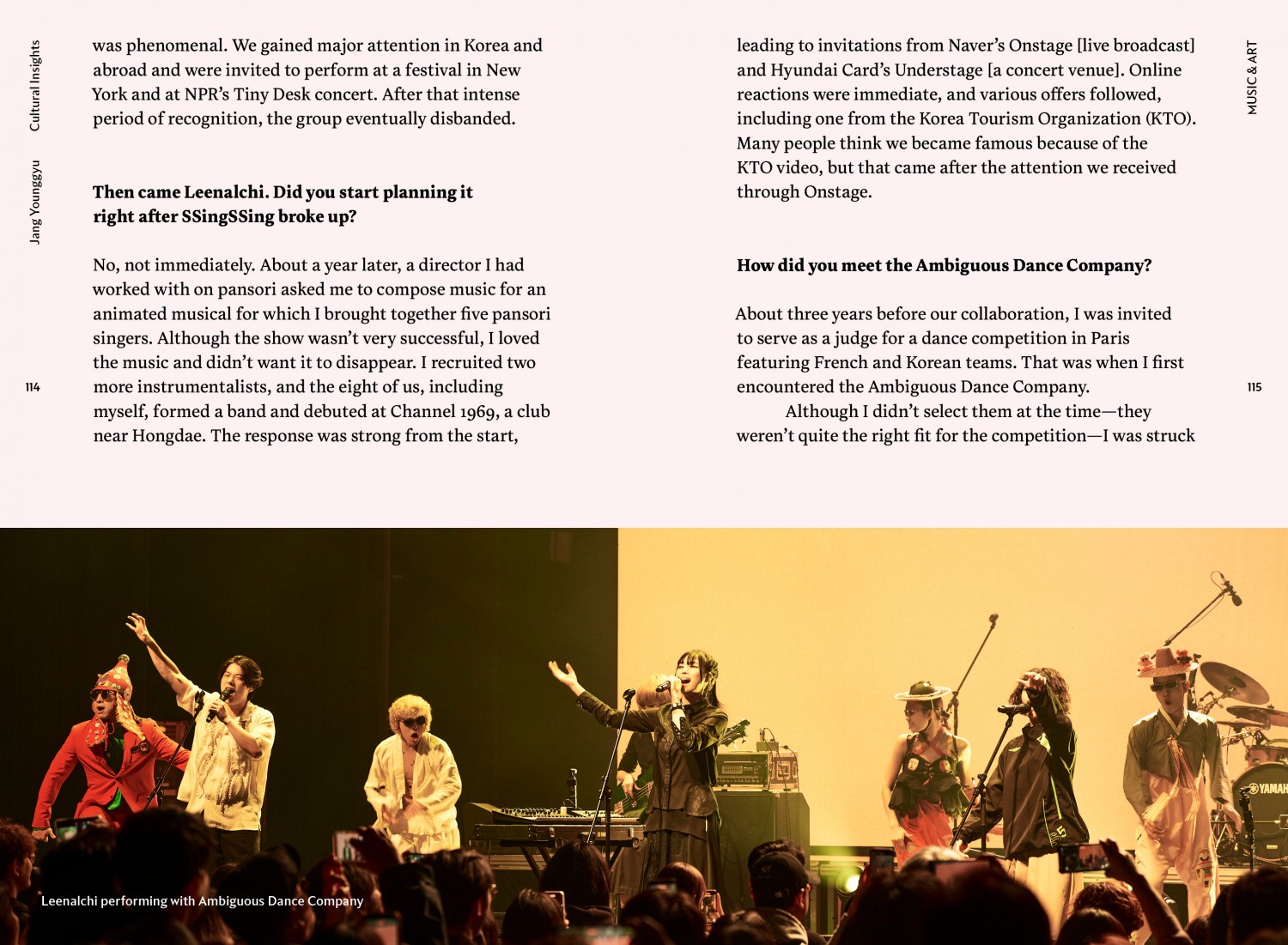
Jang Younggyu 장영규
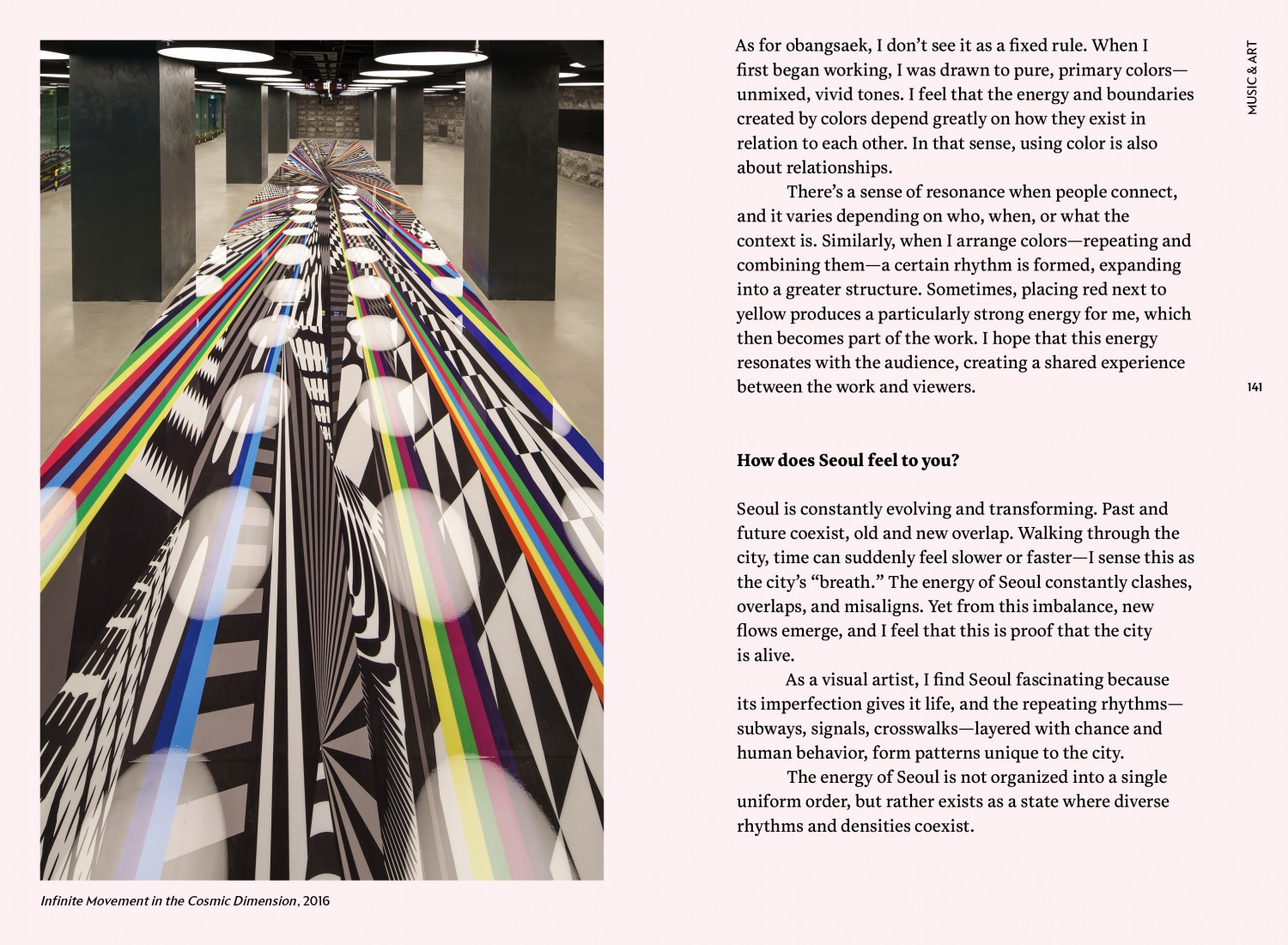
Vakki 빠키
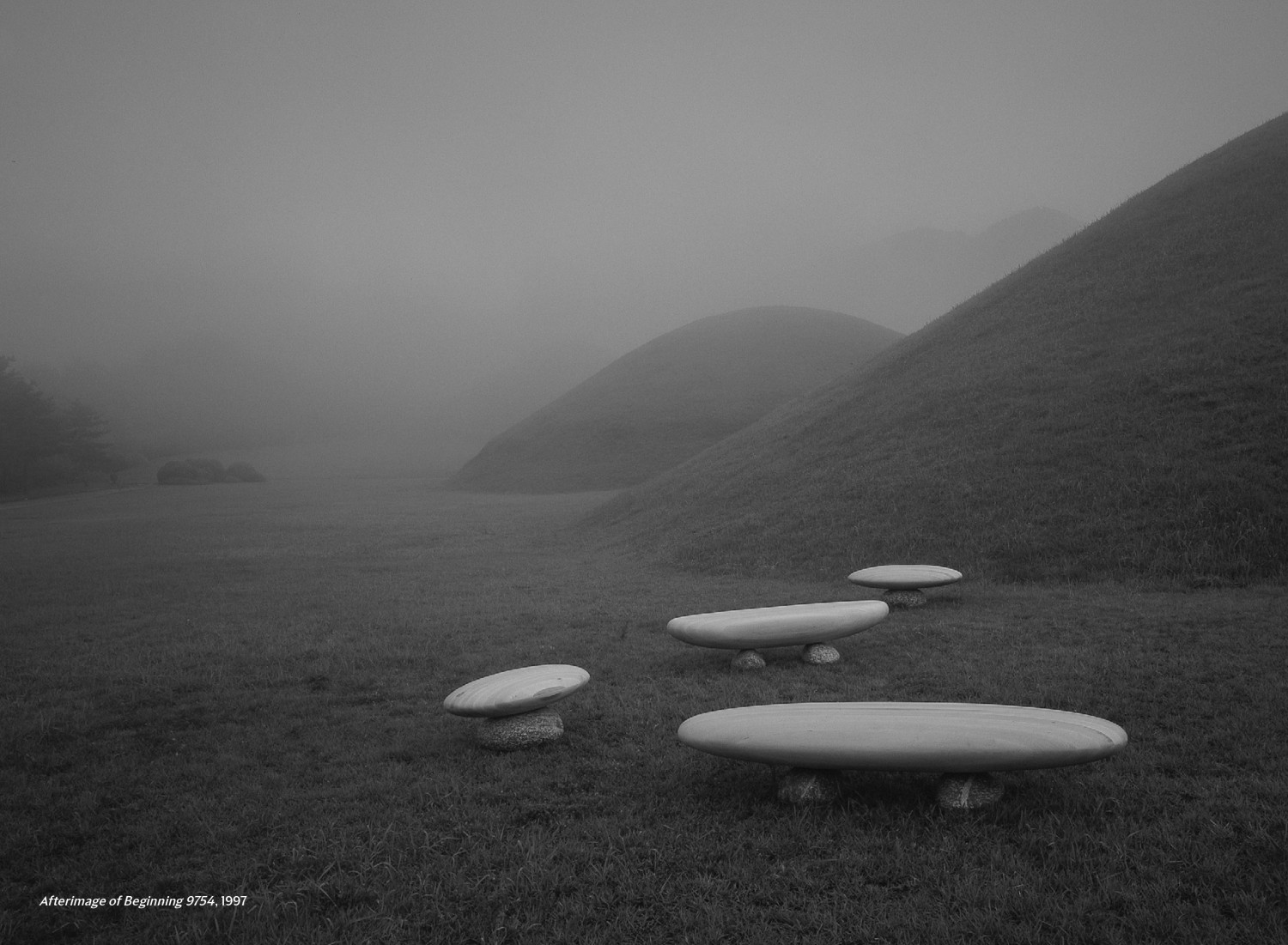
Choi Byunghoon 최병훈
DESIGN
Yang Teo 양태오
Lee Sukwoo 이석우
Ahn Sangsoo 안상수
CULTURE PLATFORMS
Lee Younghye 이영혜
Hong Jeonghyun 홍정현
PHOTOGRAPHY
Koo Bohnchang 구본창
Kim Yongho 김용호
FOOD & HOSPITALITY
Yim Jungsik 임정식
Ok Dongsik 옥동식
Park Hyeongu 박현구
Travel Essentials
Timeline of Korean History
General Information
Traveling in Seoul
Seoul’s Neighborhoods
Food Dictionary
Korean Words & Expressions
Acknowledgements
About the Author
Photo Credits